

Published On
November 18, 2026
How do orthodontists choose the right treatment?
If you’re thinking about braces, you probably have a few questions. Which option will work best? How long will treatment take? And how will it fit into your everyday life?
Your orthodontist considers all of that, along with your bite, jaw growth, tooth alignment, and oral health. The goal is to find an approach that addresses your needs and feels manageable from the start.
At Blossom Orthodontics in Aldie, VA, that conversation begins with a complimentary, no-pressure consultation with Dr. L Bui. An ABO board-certified orthodontist, UVA alum, and former Chief Resident at the University of Pennsylvania, Dr. L brings extensive training and a personal approach to planning your care. She takes time to understand what brings you in, what you’d like to change, and what questions are on your mind.
If you’re comparing braces in Virginia, here’s a closer look at how those recommendations come together. You can also explore orthodontic care in Aldie, VA or call (703) 423-0288 to talk with our team.
Why your plan should feel personal
You and a friend might both describe your teeth as “crowded,” but the reasons behind that crowding could be very different. You may need more room in your upper arch, while your friend may need treatment that also addresses how the upper and lower teeth meet.
That’s why Dr. L starts by getting to know your smile before recommending brackets, aligners, or a timeline. Understanding the full picture helps her explain what makes sense for you and why.
What an orthodontist evaluates at your first visit
Your first appointment gives you space to ask questions and get familiar with your options. You don’t need to arrive knowing which treatment you want. Figuring that out together is part of the visit.
The clinical exam and digital records
Your orthodontist looks at how your teeth meet, how your jaws line up, and the health of your teeth and gums. Digital scans and images add detail, helping show where your teeth sit and how they may need to move.
These records also make the conversation easier to follow. Instead of trying to picture what your orthodontist is describing, you can look at your smile together and talk through the findings.
The details that shape your recommendation
A treatment recommendation brings several pieces of information together:
- Your bite, including any overbite, underbite, crossbite, or open bite
- Crowding or spacing between your teeth
- The size and position of your jaws and dental arches
- Remaining growth in children and teens
- Gum health and existing dental work
- Habits such as thumb sucking, teeth grinding, or mouth breathing
Dr. L will walk you through the findings that matter for your care, so you understand how they influence your options.
Matching your bite to the right type of braces
Once you understand what needs attention, you can explore the options for getting there. Your preferences matter, and so does choosing an appliance that can make the movements your smile needs.
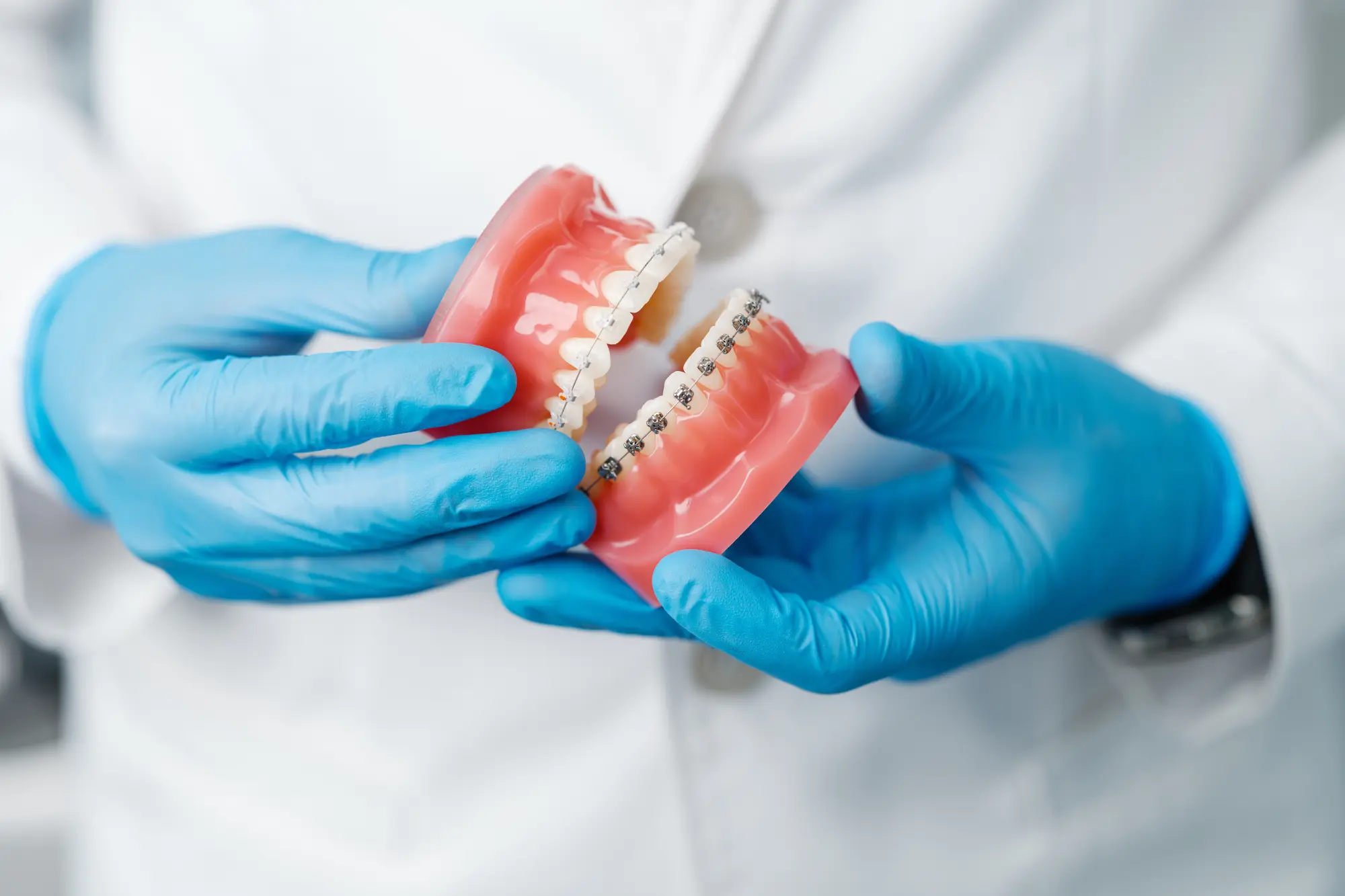
Traditional metal braces
Metal braces offer dependable control for a wide range of tooth movements, including significant crowding, rotated teeth, and bite corrections. Because they stay in place, you won’t need to remember to put them back in after meals.
If you’re picturing the braces you remember from years ago, modern brackets may surprise you. They’re smaller and less bulky than many people expect. Explore our braces for teens and adults to learn more.
Ceramic braces
If you like the idea of fixed braces but would prefer a more subtle appearance, ceramic braces may be worth discussing. Their tooth-colored brackets blend in with your smile while providing the control of a fixed appliance.
They still need consistent brushing and careful cleaning. Our team can explain what that looks like day to day before you decide.
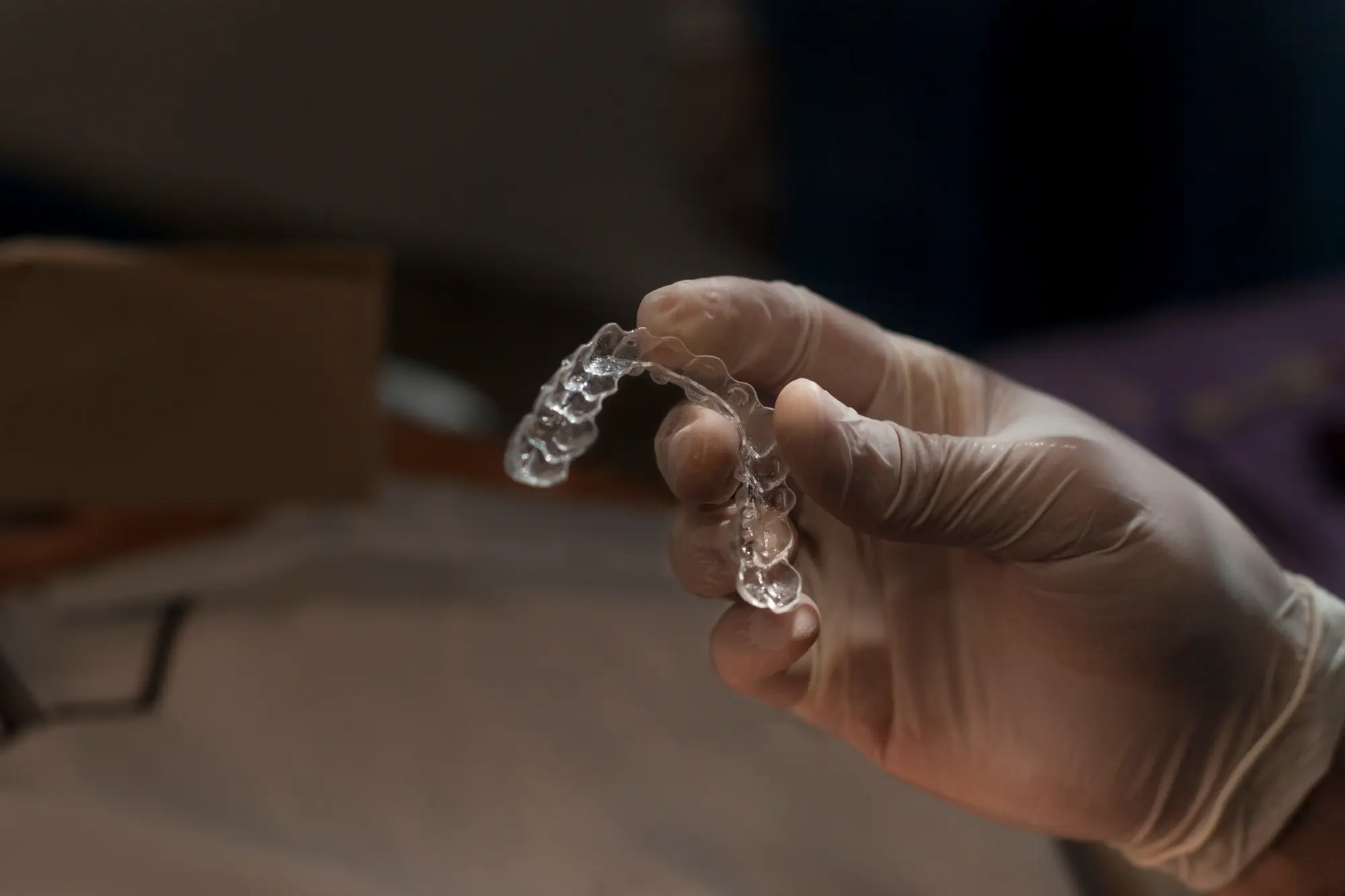
Clear aligners
Clear aligners use a series of removable trays to gradually move your teeth. Being able to take them out for meals, brushing, and flossing can be appealing, especially if you’d prefer a discreet option.
That flexibility comes with responsibility: you’ll need to wear them consistently as prescribed. Dr. L will consider both the movements your teeth need and how aligners would fit into your routine. Learn more about clear aligners in Aldie.
How your age shapes the treatment plan
Your stage of life helps guide when treatment begins and which approaches may work best. A growing child, a busy teen, and an adult revisiting orthodontics each bring different needs to the conversation.
Young children
An early orthodontic visit doesn’t automatically mean your child needs braces. Sometimes, the most useful next step is simply keeping an eye on their development.
Early evaluations allow an orthodontist to check jaw growth, see how teeth are coming in, and identify concerns such as crossbites or significant crowding. If treatment would be beneficial, Dr. L can explain the timing and purpose. If waiting makes sense, you’ll know what we’re monitoring and when to check back.
Read more about early interceptive orthodontics.
Teens
For many teens, most permanent teeth are in place while the jaws are still growing. That can create opportunities to address alignment and guide bite development during treatment.
Of course, orthodontics has to fit around school, sports, rehearsals, and everything else on the calendar. Talking through those commitments helps us plan for practical details, from appointment scheduling to caring for braces away from home.
Adults
Maybe you’ve wanted straighter teeth for years. Maybe you had braces as a teen and have noticed some shifting. Either way, it’s worth having a conversation about your options.
For adults, treatment planning considers gum and bone health, existing dental work, bite concerns, and personal preferences. Dr. L will also talk with you about how treatment could fit into your work and daily routine.
Why your lifestyle and goals matter
Your teeth tell us what needs to move. Getting to know you helps us understand how to make the process work in your everyday life.
Daily habits and commitment
Do you travel frequently? Play a wind instrument? Need a mouthguard for sports? Those details belong in the conversation.
Aligners require consistent wear and a routine for removing, storing, and cleaning them. Fixed braces stay in place, but they still need careful cleaning and a few adjustments to eating habits. Being open about what feels realistic helps Dr. L recommend an approach you can feel comfortable following.
What you’d like to change about your smile
You don’t need to know the technical terms to explain your goals. You might point to a tooth that overlaps, mention that your bite feels uneven, or say you’d like to feel more comfortable smiling in photos.
Dr. L takes time to listen and connect those goals with what treatment can realistically achieve. You should understand what your plan is designed to change before getting started.
How technology supports your treatment
Digital tools help your orthodontist plan tooth movement in detail and explain the process more clearly. For you, that means a better understanding of your starting point and the steps ahead.
Planning before treatment begins
Digital scans and treatment planning software help your orthodontist study your alignment and plan tooth movements. They can also help identify challenges that may affect the approach.
At your consultation, these tools support a conversation about your options, expected progress, and what treatment will involve.
Making appointments fit your day
We know orthodontic visits are one part of an already full schedule. Careful planning helps keep appointments focused, while our Aldie office gives you a comfortable place to spend that time.
With flexible workspaces and a beverage station, parents can catch up on emails while their teen is being seen, and adult patients can settle in between workday commitments.
What to know about cost and protecting your results
You deserve to understand the financial side of treatment before making a decision. That includes the fee, what’s included, and what you may need after your braces come off.
Your consultation and potential savings
Blossom Orthodontics offers complimentary consultations so you can explore your options and ask questions without pressure to commit.
Eligible patients may also qualify for up to $1,000 in treatment savings. Our team can explain the details and let you know what applies to your situation.
Caring for your smile after treatment
Finishing treatment is an exciting milestone, and retainers help you maintain the progress you’ve made. We’ll explain how to wear and care for yours so you know what comes next.
Treatment at Blossom Orthodontics includes a 5-Year Retainer Assurance Program. Ask our team what the program covers and how it works if a retainer is lost or damaged.
As you compare practices, these questions can help you feel more prepared:
- Is the orthodontist board-certified?
- Is the first consultation complimentary?
- What is included in the treatment fee?
- What happens if a retainer is lost or broken?
- How often will I need appointments?
Find a treatment plan that feels right for you
Choosing orthodontic treatment starts with understanding your smile and feeling comfortable with the people caring for it. A thorough evaluation and an open conversation can give you a clearer sense of your options, your timeline, and what to expect.
Let’s start with your questions
Whether you’re exploring treatment for yourself or your child, Dr. L Bui and the Blossom Orthodontics team are here to listen. Bring your questions, tell us what you’re hoping for, and we’ll walk through the possibilities together.
Call (703) 423-0288 or schedule your complimentary consultation to get started with a plan built around you.
Share this post
explore more blogs

November 19, 2026
When Should a Child See an Orthodontist for Early Interceptive Treatment?
Most children should see an orthodontist around age 7, which is when the first permanent molars and incisors have usually come in.
November 18, 2026
Clear Aligner Treatment in Aldie: What Makes It Different From Braces?
Clear aligners straighten teeth with a series of removable, nearly invisible plastic trays. Braces use brackets and wires bonded to your teeth.