Published On
November 19, 2026
Most children should see an orthodontist around age 7, which is when the first permanent molars and incisors have usually come in. At Blossom Orthodontics, Dr. L Bui, an ABO board-certified orthodontist, offers complimentary, no-pressure consultations.
This means families can learn whether early interceptive treatment makes sense for their child. Many children only need monitoring at this age. Others benefit from starting sooner. Learn more about orthodontic care in Aldie, VA for the whole family.
The Short Answer: Age 7 Is the Ideal Time for a First Visit
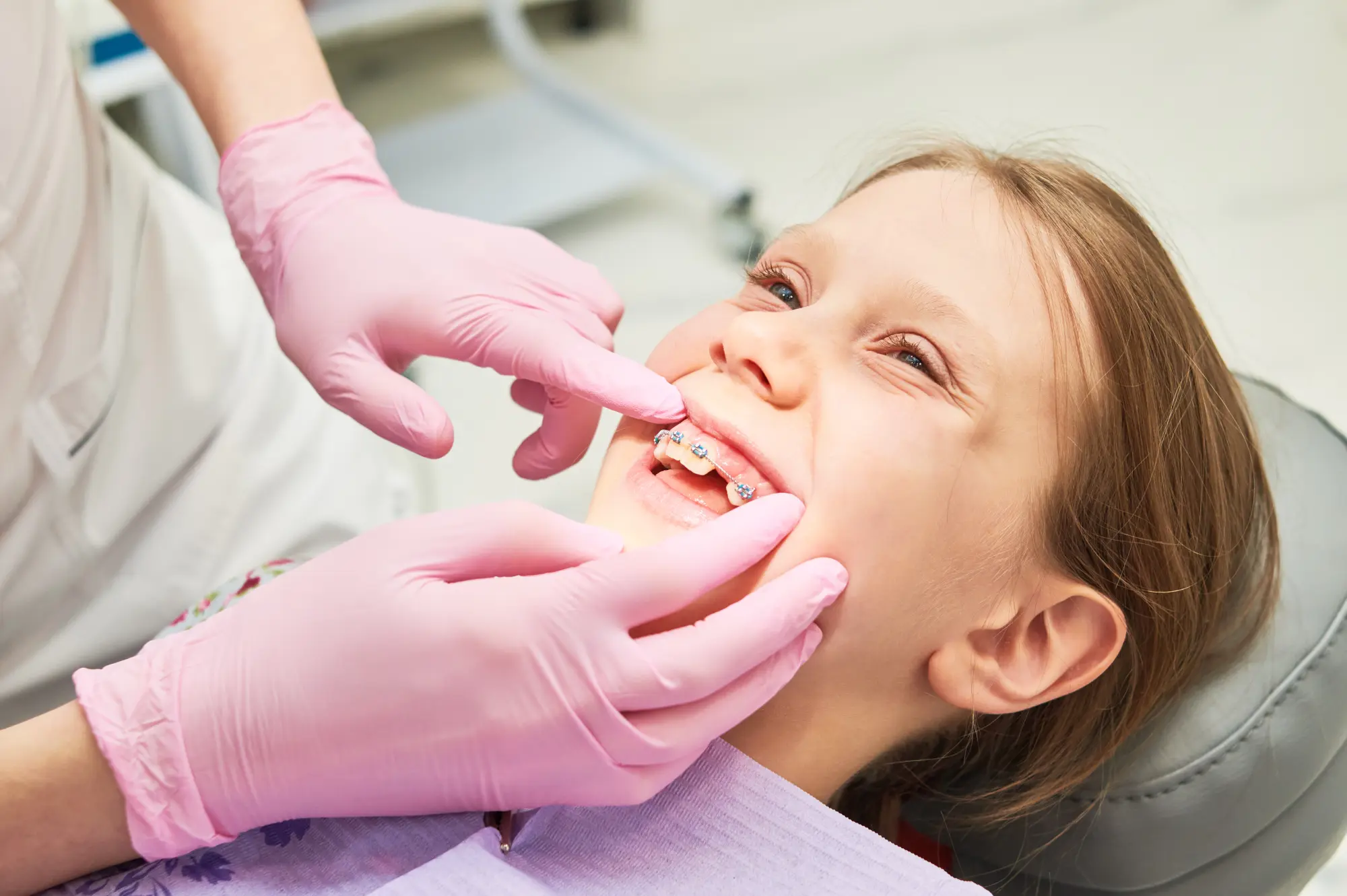
The American Association of Orthodontists recommends a first orthodontic check-up by age 7. At this stage, a child has a mix of baby teeth and permanent teeth. That mix gives an orthodontist a clear view of how the jaws and bite are developing.
A visit at 7 does not mean your child will get braces right away. It means you gain information early. If something needs attention, we can plan the best timing. If nothing does, we simply watch your child's smile grow. Families in Aldie, VA can call (703) 423-0288 to schedule a visit with Dr. Bui.
What Early Interceptive Treatment Actually Means
Early interceptive treatment, sometimes called Phase 1 treatment, addresses developing problems while a child is still growing. The goal is to guide the jaws and teeth into a healthier pattern before issues become harder to correct. You can read more about early interceptive orthodontics at our practice.
How It Differs From Comprehensive Treatment
Comprehensive treatment, such as braces or clear aligners, usually happens once most or all of your child’s permanent teeth have erupted. Early treatment is shorter and more focused. It targets a specific concern, like a narrow upper jaw or a crossbite, and then pauses while the rest of the permanent teeth arrive.
Why Growth Makes a Difference
A child's jaw is still developing, so an orthodontist can often make changes that are not as easy once growth slows. Guiding the jaw while it is flexible can create room for incoming teeth and may reduce the need for extractions or more involved treatment later.
Signs Your Child May Need an Early Orthodontic Evaluation
Some concerns are easy to spot at home. Others show up only during an exam. Watch for these common signs:
- Baby teeth that are lost very early or very late
- Difficulty chewing or biting
- Mouth breathing or snoring
- Thumb sucking or pacifier use past age 4 or 5
- Crowded, misplaced, or blocked-out teeth
- Upper and lower teeth that do not meet properly
- A jaw that shifts or clicks when opening or closing
- Teeth that protrude noticeably
If you notice any of these, there is no need to wait until age 7. Schedule a visit when you first see a concern.
Common Bite Problems Interceptive Treatment Can Address
Early treatment is most useful for specific, identifiable issues. Here are the ones we see most often in children.
Crossbites
A crossbite happens when some upper teeth sit inside the lower teeth. Left alone, it can cause the jaw to shift to one side as your child grows. A palatal expander is often used to widen the upper arch and correct the bite.
Crowding and Limited Space
When a jaw is too small for incoming adult teeth, crowding follows. Creating space early can help permanent teeth erupt in better positions.
Overbites, Underbites, and Protruding Teeth
Front teeth that stick out are more vulnerable to injury during play and sports. Underbites, where the lower teeth sit in front of the upper teeth, are often easier to guide while the jaw is still growing.
What to Expect at Your Child's First Visit
We want your child to feel at ease from the moment you walk in. Our Aldie office is modern, cozy, and calming, and it feels more like a boutique than a dental office. Parents can settle into a comfortable workspace and enjoy our beverage station while we get to know your family.
Dr. Bui reviews your child's teeth, bite, and jaw development, then explains what she sees in plain language. Digital systems and advanced treatment planning help us map out next steps clearly. You will leave knowing whether your child needs treatment now, later, or not at all.
Early Treatment Options and Why Timing Matters
Every child grows at their own pace, so we tailor each plan to your child's needs, goals, and lifestyle. Dr. Bui was Chief Resident and received the Robert Vanarsdall Award at the University of Pennsylvania, and she brings that training to each treatment plan. Depending on your child's needs, options may include:
- Palatal expanders to widen a narrow upper jaw
- Partial braces on select teeth to guide positioning
- Space maintainers to hold room for permanent teeth
- Monitoring visits to track growth until the ideal time to begin
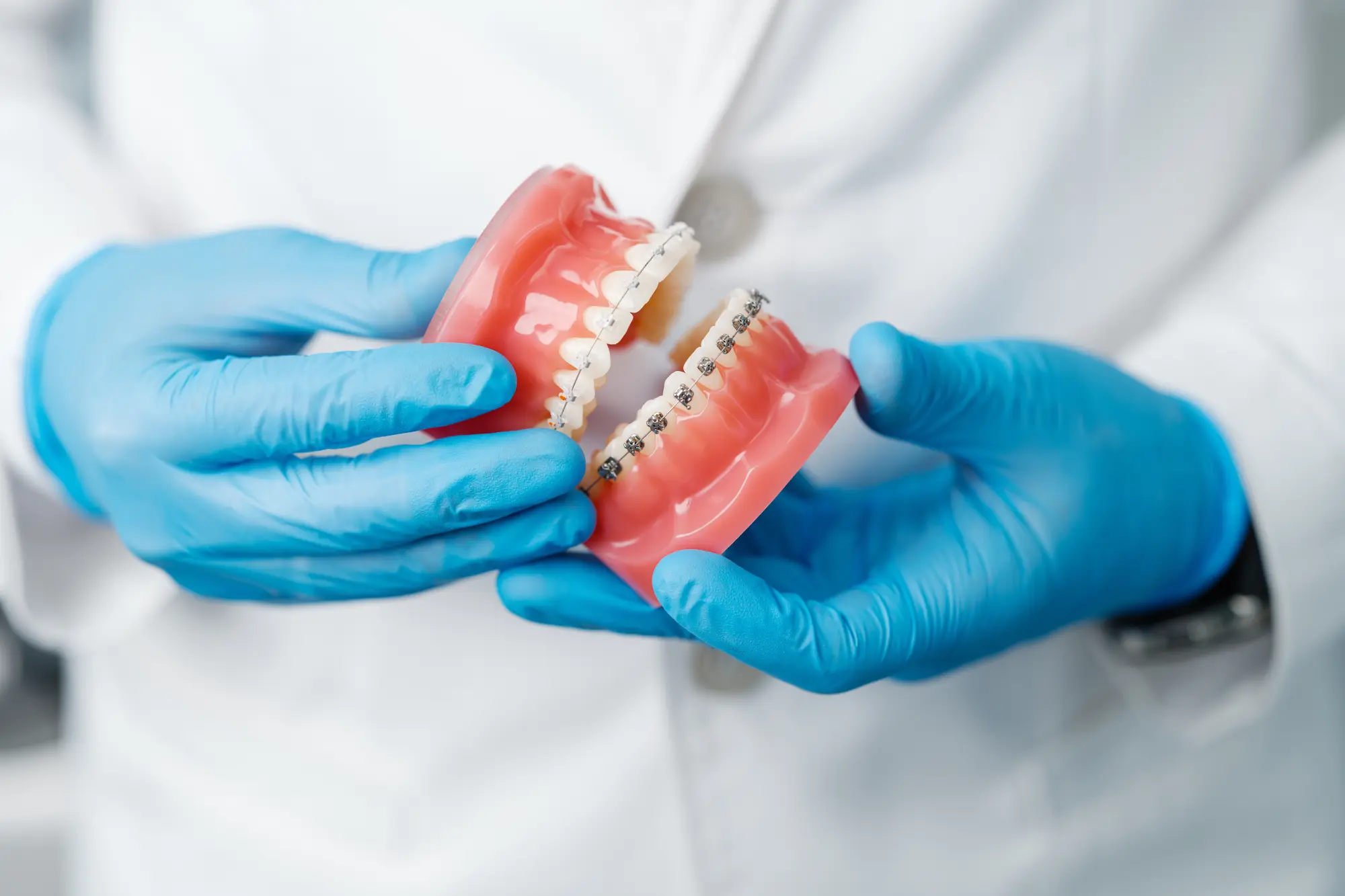
When the time comes for comprehensive care, we offer metal and ceramic braces and clear aligners for children, teens, and adults. Because early treatment is targeted, many children move through it with fewer, faster appointments.
Take the Next Step With a Complimentary Consultation
If your child is approaching age 7, or you have noticed one of the signs above, a visit can give you clarity. Our consultations are complimentary and never pressured. You ask questions, we answer them, and you decide what feels right for your family. Patients who move forward with comprehensive treatment may also qualify for up to $1,000 off (subject to eligibility).
Every treatment plan also includes our complimentary 5-Year Retainer Assurance Program, which protects results long-term. Call Blossom Orthodontics at (703) 423-0288 or schedule your child's visit with Dr. Bui. Let's help your child's smile and confidence bloom!
Share this post
explore more blogs
November 19, 2026
When Should a Child See an Orthodontist for Early Interceptive Treatment?
Most children should see an orthodontist around age 7, which is when the first permanent molars and incisors have usually come in.
November 18, 2026
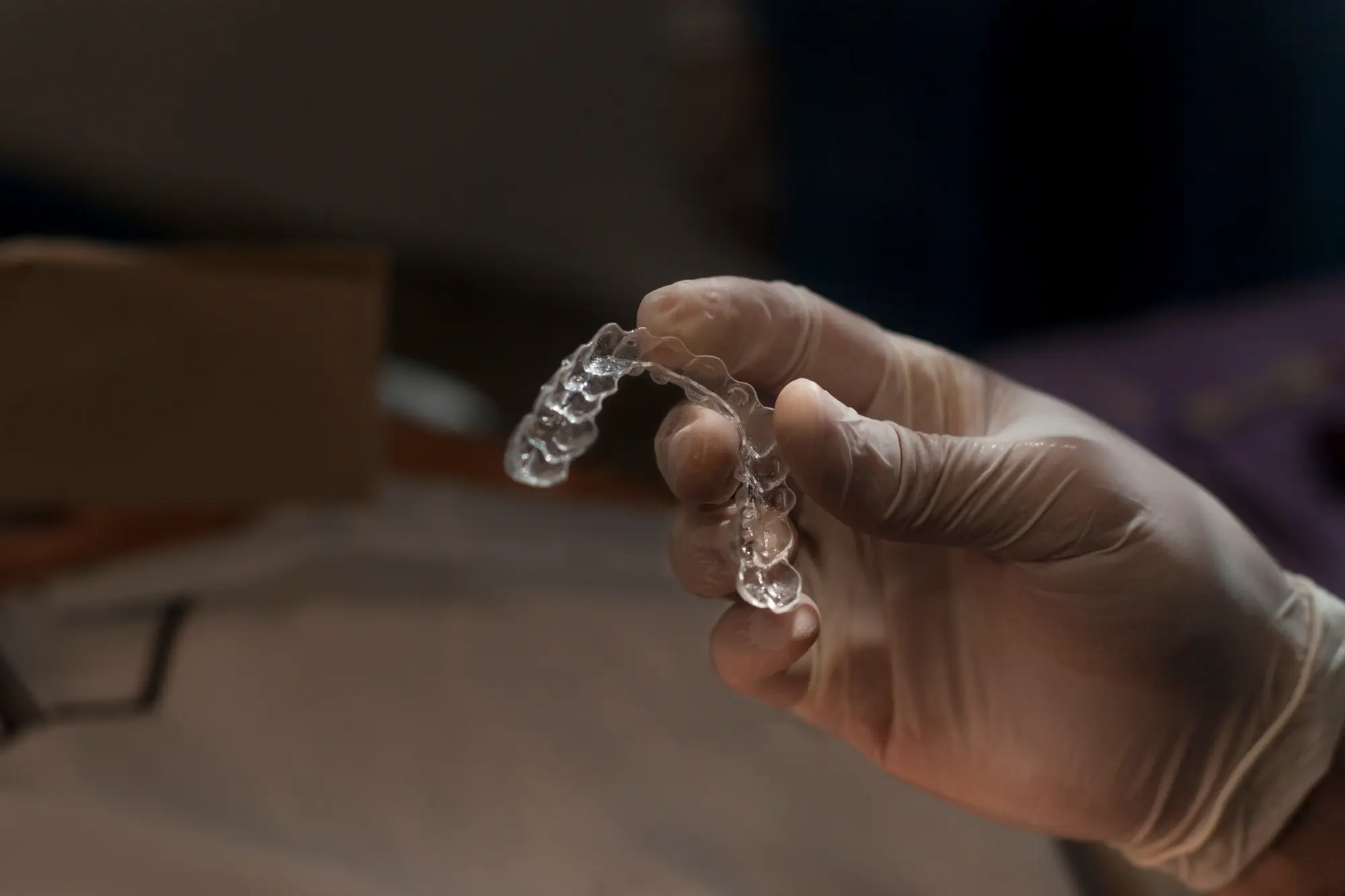
Clear Aligner Treatment in Aldie: What Makes It Different From Braces?
Clear aligners straighten teeth with a series of removable, nearly invisible plastic trays. Braces use brackets and wires bonded to your teeth.